A practical due-diligence checklist covering the club, the community and the paperwork, so there are no surprises after closing.
A beautiful clubhouse and a perfect fairway view tell you very little about the health of a club or the rules you will live under. These are the questions worth asking before you sign a contract.
About the club
1. Who owns the club? Members (equity), a developer, or a management company? If a developer still owns it, when and how will it be turned over?
2. Is membership required, optional or capped? If it is optional and you want to join later, is there a waiting list or a limit on golf memberships?
3. What does it cost to join, and what do I get back when I leave? Ask how refunds or transfers work on resale, and whether the buyer of your home pays a new initiation fee.
4. What are annual dues, and how have they changed? A few years of dues history shows how the club plans.
5. Is there a food and beverage minimum? How much, and how is it billed?
6. Are any assessments approved or planned? Ask about upcoming course renovations, clubhouse projects and how capital reserves are funded.
7. How many members are there, and is the club growing? A healthy membership spreads costs widely.
About the community
8. What do HOA fees cover? Security, landscaping, roads, cable or internet, exterior maintenance?
9. Is there a Community Development District? If so, what is the annual assessment, and is there remaining bond debt?
10. What are the rental rules? Many communities restrict rentals by minimum term or number per year. This matters if you plan to rent the home while you are away.
11. What are the architectural and use rules? Pools, paint colors, landscaping, vehicles, pets and home businesses are often regulated.
12. Is it age-restricted? Communities designated as 55+ have occupancy rules that affect who can live in the home.
About the property
13. When was the home built, and to which code? Homes built under Florida's statewide building code, which took effect in 2002, generally include stronger wind protections. A wind-mitigation inspection can also reduce insurance premiums.
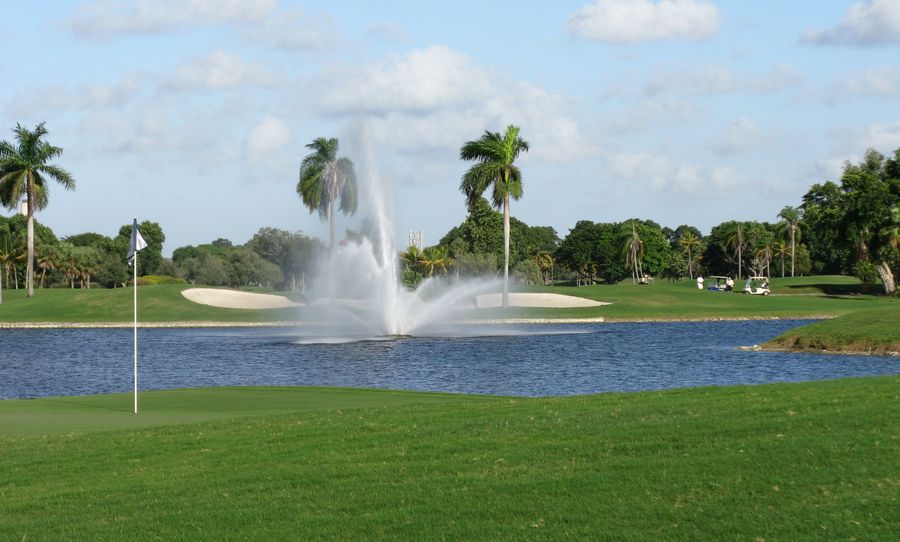
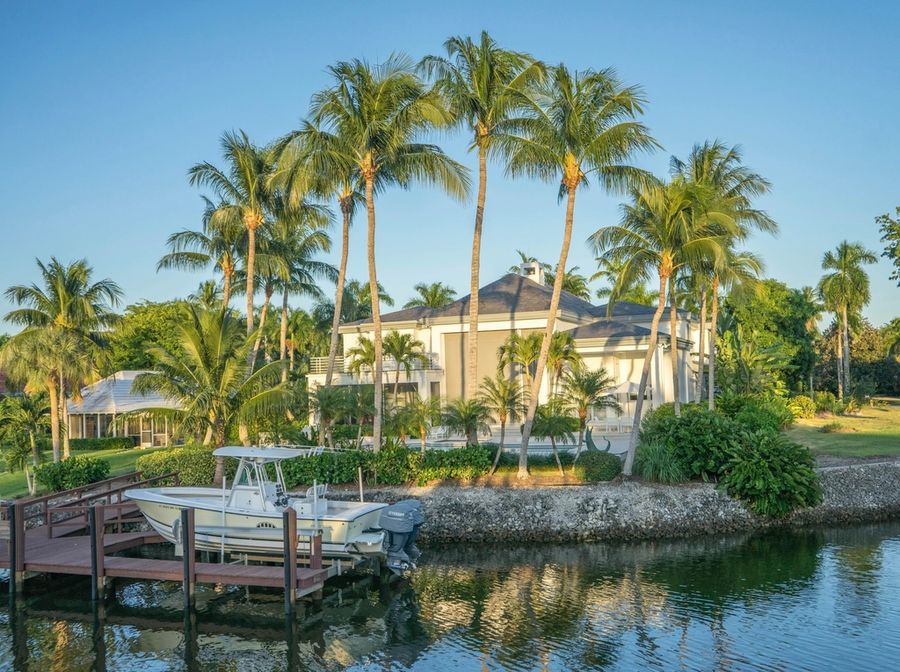
14. What flood zone is it in? Lakes and water features are part of the appeal of many golf communities. Check the flood zone and get an insurance quote early.
15. For condos and villas: what is the state of the building and reserves? Florida now requires milestone structural inspections and structural integrity reserve studies for condominium buildings of three or more habitable stories. Ask for the latest reports and reserve funding.
Read the documents, and use the three-day window
Florida law requires the seller of a home in a mandatory homeowners' association to give the buyer a disclosure summary, and the buyer can cancel within three days of receiving it (or before closing, whichever comes first). Use that time. Read the declaration, bylaws, rules, budget and club membership documents, and ask your agent or attorney about anything unclear.
A club community is a long-term relationship. The right questions now make it a happy one.
This article is general information, not legal advice. Laws change; consult a Florida real estate attorney about your specific purchase.